
Intelligence Briefing
Date: September 20, 2026
Subject: Elite Health Security and Longevity: Direct-to-Estate Governance in Ultra-Luxury Residences
Author: Derrick L. Miles, FACHE | Chairman, CourMed® | The Private Health Office
Distribution: Single-Family Offices (SFOs), Wealth Stewardship Boards, UHNW Trustees, Luxury Residential Developers & Owners
For decades, the standard for luxury residential real estate was defined by physical square footage and geographic prestige. Over the past decade, that definition shifted toward hospitality-driven amenities: concierge desks, private dining rooms, subterranean spas, and increasingly sophisticated residential services.
Today, ultra-high-net-worth (UHNW) real estate is entering its most sophisticated era yet: sovereign residential living.
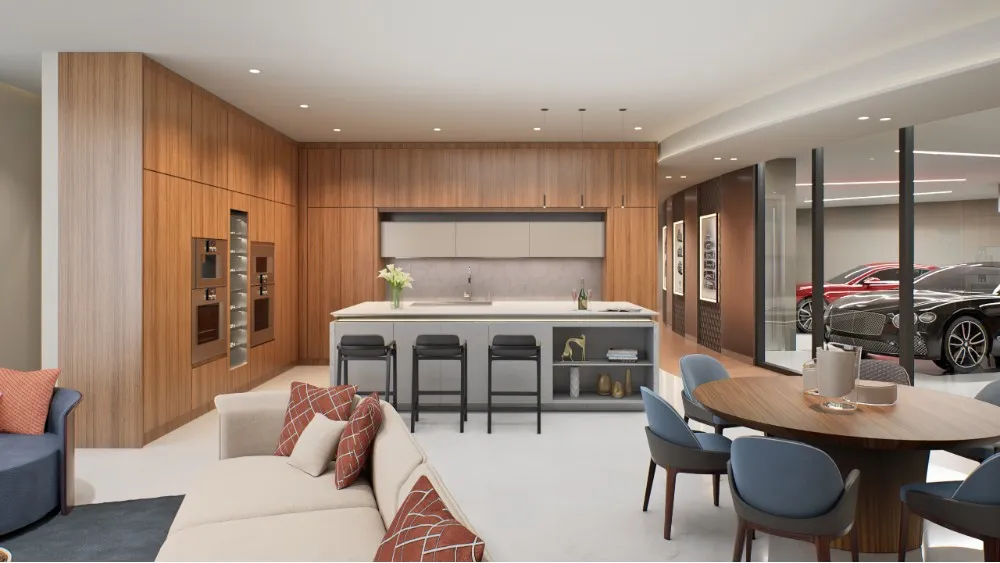
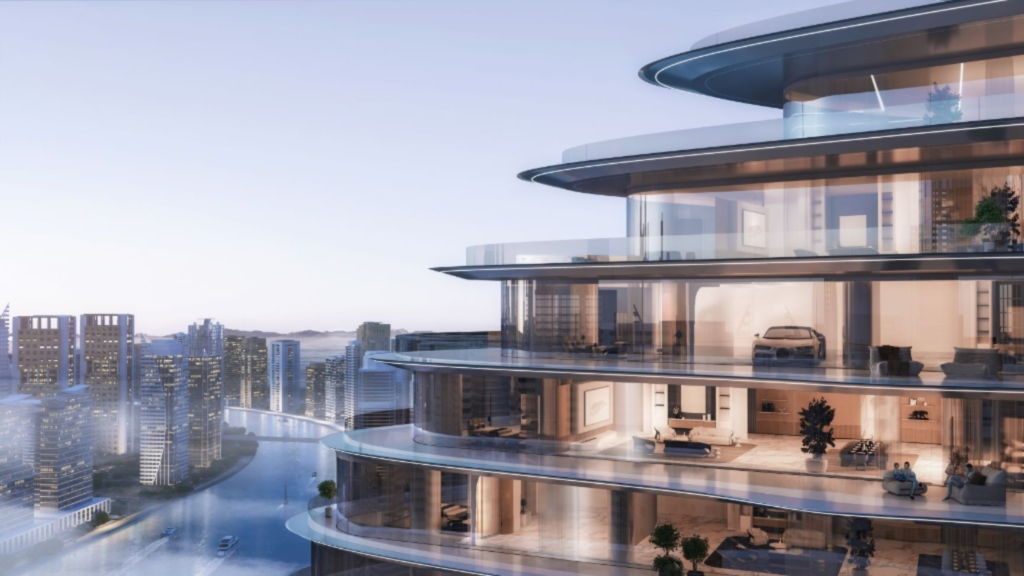
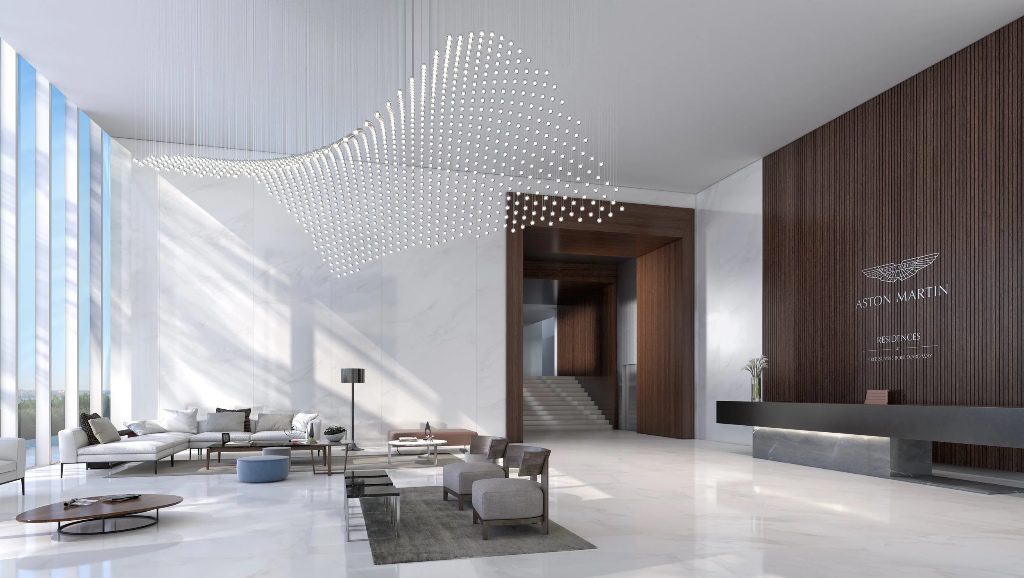
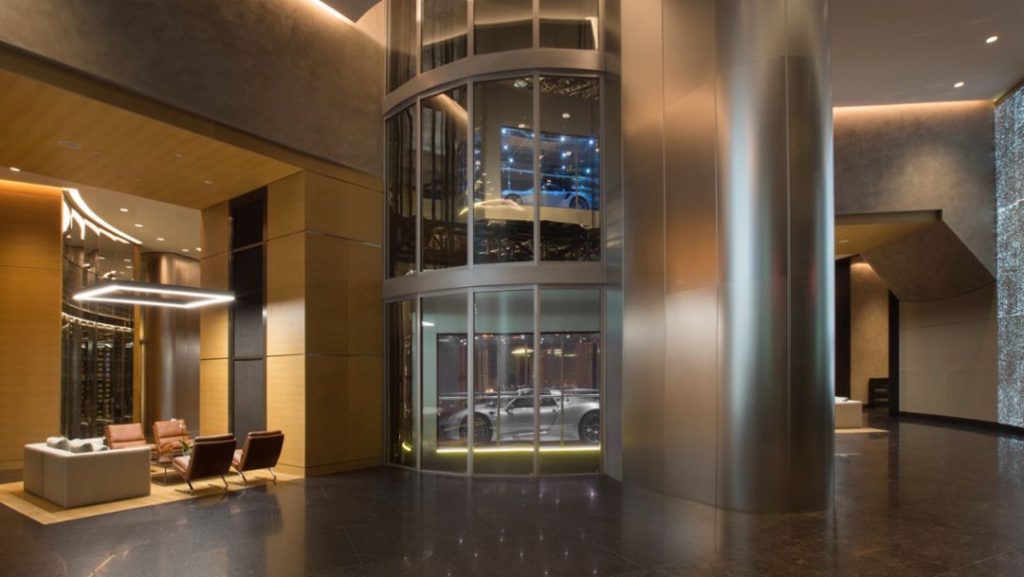
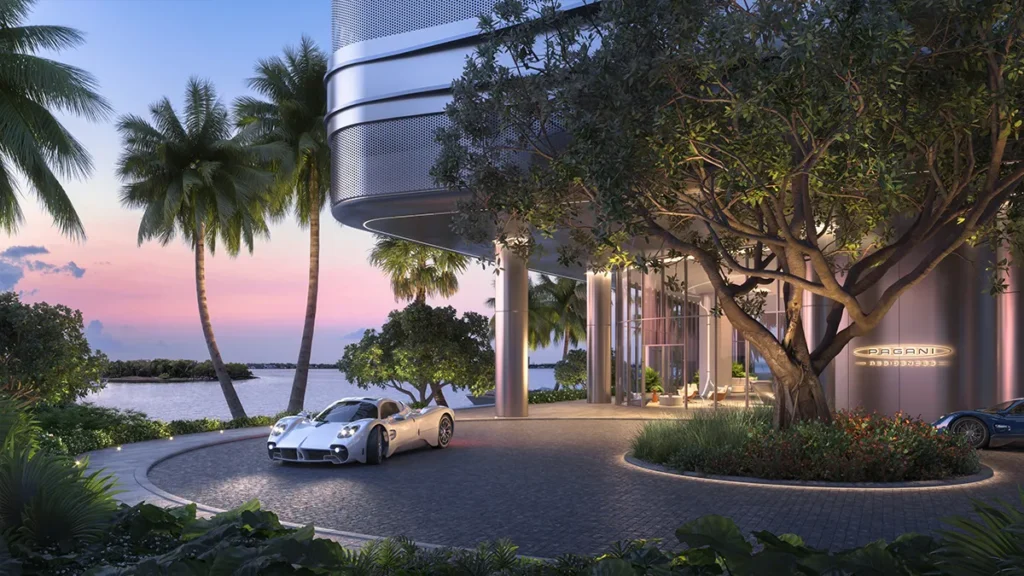
In flagship developments across the automotive and hospitality sectors—spanning Miami and Dubai through the Porsche Design Tower, Pagani Residences, Bentley Residences, Aston Martin Residences, and Bugatti Residences—architectural innovation increasingly focuses on bringing high-value assets directly into the private domain.
Sky-garages, automated vehicle lifts, private elevator banks, and private deep-water access are not merely expressions of luxury. They are architectural responses to a fundamental UHNW principle:
Eliminate unnecessary friction between the principal and the assets that matter most.
Yet, despite millions invested in structural privacy and vehicular security, one critical vulnerability remains unaddressed in modern estate governance: the physical continuity of the principal.
The Architectural Paradox of Modern Governance
Family offices and master developers invest extraordinary resources to secure physical structures, digital assets, and high-value property. Millions are poured into direct-to-suite vehicular access, private elevator banks, sophisticated security systems, and highly controlled residential environments so that a principal can move through life with minimal public exposure and zero schedule disruption.
Yet personal health maintenance, baseline diagnostics, and daily vitality protocols are often treated entirely differently.
Principals are routinely expected to leave their secure residential environment to navigate commercial health settings, public waiting rooms, fragmented off-site services, and unnecessary logistical friction.
From an estate-governance perspective, this creates an unaddressed architectural paradox.
The residence is engineered to protect the principal’s privacy, security, time, and sovereign assets—while the infrastructure supporting the principal’s physical continuity remains largely outside the estate walls.
The next evolution of luxury residential infrastructure is therefore not simply adding more wellness amenities. It is health infrastructure designed around the principal.
Health Security Infrastructure: Protecting Key-Person Continuity
Health security in ultra-luxury residences should never be reduced to basic “wellness.”
For a family office or estate, the principal is the core human asset. When the capacity, availability, or continuity of a principal is disrupted, the consequences extend far beyond the individual to family governance, business operations, investment decisions, travel, philanthropy, real estate, and global succession.
That makes principal continuity a central estate-governance consideration. Direct-to-estate health security addresses this priority through three fundamental pillars:
1. Direct-to-Estate Health Infrastructure
The objective is simple: preserve the residential sanctuary while making appropriate health and wellness infrastructure seamlessly available within it. This includes daily health-support services, private nutrition strategies, longevity protocols, and baseline diagnostics delivered within the residence through qualified clinical partners. The residence becomes more than a place where the principal lives—it becomes an environment engineered to support their long-term continuity.
2. Principal Continuity Risk Management
For family offices, trustees, and estate stakeholders, protecting the continuity of the principal is fundamentally different from treating acute illness. The objective is not to replace primary physicians or medical centers, but to eliminate unnecessary friction around the daily infrastructure that supports the principal’s ability to operate, lead, decide, and steward what has been entrusted to them. Health security is not about turning an estate into a clinic; it is about recognizing health as vital infrastructure surrounding the principal.
3. Private Health Office Integration
Functioning as an invisible, embedded private health office that interfaces directly with estate managers, house staff, and residential operating partners without disrupting the calm of the family sanctuary.
From Residential Amenity to Estate Infrastructure
The distinction between an amenity and infrastructure is critical:
-
A wellness amenity is something a resident may occasionally choose to use.
-
Infrastructure is something the physical environment is engineered to support permanently.
Ultra-luxury residential development has already demonstrated this principle with private transportation, security, deep-water access, hospitality, and smart technology. The next frontier is health infrastructure.
The question for developers and family offices is no longer simply: What amenities should this residence offer?
The more consequential question is: What infrastructure must exist around the principal to preserve privacy, continuity, and quality of life?
This redefines the entire framework—shifting the focus from amenities to architecture, from services to infrastructure, and from convenience to governance.
The New Benchmark for Sovereign Luxury Real Estate
As developers, hospitality leaders, family offices, and trustees look toward the future of branded residential living, the defining luxury is no longer another amenity. It is the elimination of friction.
The most sophisticated residences increasingly allow principals to move between their homes, vehicles, offices, private aviation, hospitality environments, and global assets without repeatedly surrendering privacy or control. Health security must be treated with the exact same architectural consideration.
By embedding Private Health Office infrastructure into the operational framework of private residences, estates create an intentional environment for principal continuity, privacy, and daily health stewardship.
The residence becomes more than a sanctuary for wealth—it becomes infrastructure for the person responsible for stewarding it.
That is the next conversation in ultra-luxury residential development.
CourMed® | The Private Health Office provides direct-to-estate health and wellness infrastructure for UHNW principals, family offices, and luxury residential environments.
How should health security be incorporated into the governance architecture of your private estate?