
By Derrick L. Miles, FACHE
Founder & Chairman, CourMed® | The Private Health Office
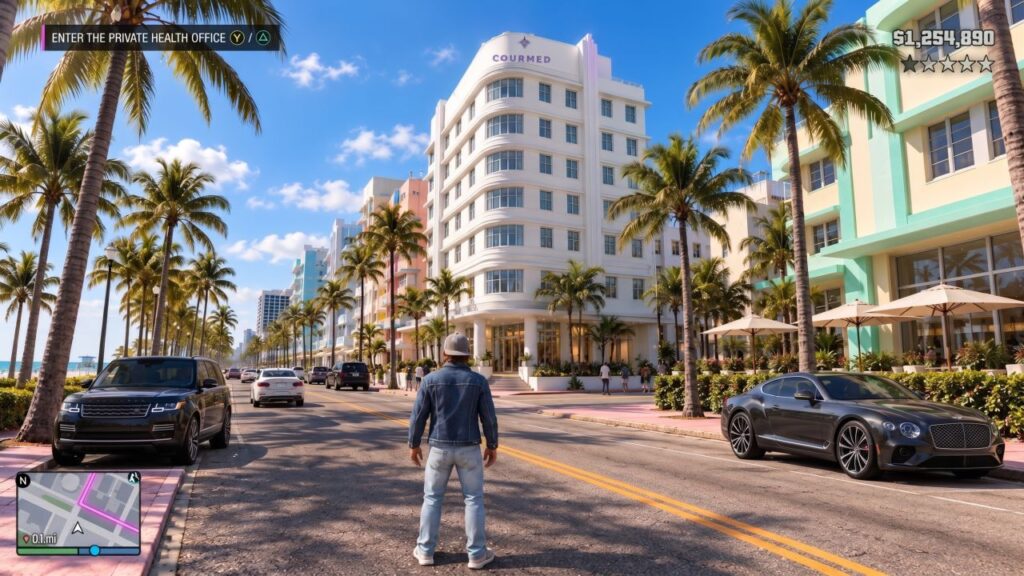
In high-net-worth ecosystems, wealth has traditionally been expressed through tangible assets: beachfront estates, bespoke transportation, private aviation, and curated art collections. But as digital economies, sports, entertainment, and next-generation gaming converge into cultural forces—with the highly anticipated return to Vice City in Grand Theft Auto VI—the definition of luxury is evolving.
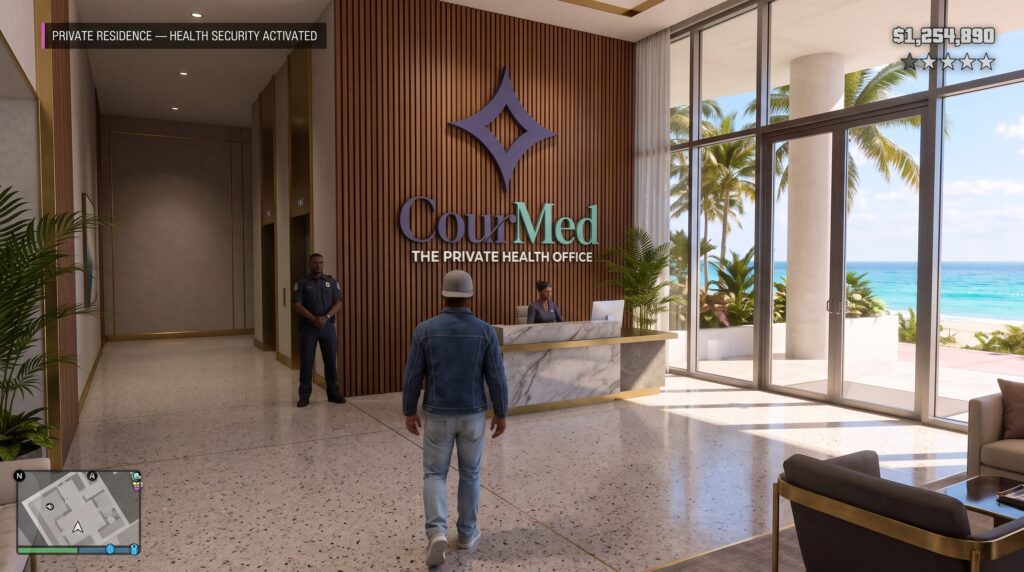
The next generation of private wealth is redefining what it means to be secure. Health security is becoming a new status symbol, not simply because wealthy families recognize the importance of being healthy, but because sophisticated wealth stewardship increasingly recognizes that protecting the principal is inseparable from protecting the enterprise, the family, and the legacy.
In Miami, where digital wealth, global capital, entertainment, and luxury real estate increasingly intersect, this evolution is particularly relevant.
The Evolution of Private Wealth Stewardship
For technology founders, rising principals, elite athletes, entertainment executives, and multi-generational family office heirs, health is no longer exclusively a matter of reactive medical care. It is becoming an integral consideration in wealth planning, family continuity, and risk management.
Leading private banks are beginning to integrate health into wealth planning, reflecting a broader recognition that financial wealth and the human capacity to preserve, manage, and transfer it are interconnected.
Family offices already deploy sophisticated infrastructure to protect financial assets, manage cybersecurity exposure, secure physical properties, and preserve family continuity across jurisdictions. Yet the infrastructure surrounding the health of the principal often remains fragmented across physicians, healthcare providers, residences, and international travel.
That is an increasingly difficult gap to ignore.
The principal may have residences in Miami Beach, Palm Beach, Dubai, and Aspen, but residential health access and continuity do not automatically follow the principal between those locations.
Health Security requires a more deliberate institutional approach.
The Private Health Office: Health Security as Residential Infrastructure
Families invest in exceptional residences, security, financial stewardship, and experiences that protect their time and quality of life. Health deserves the same institutional consideration.
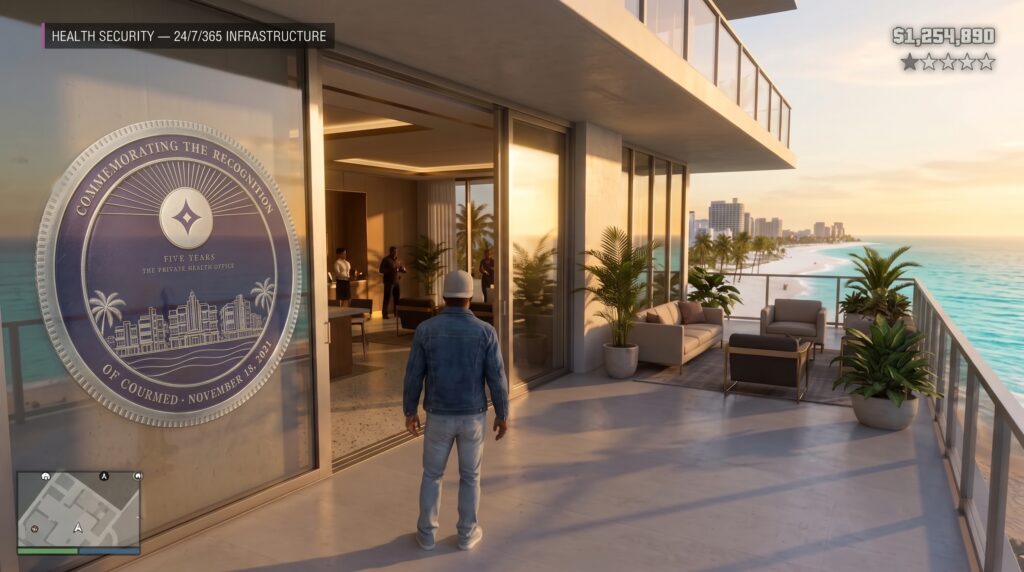
CourMed® establishes a Private Health Office within the residential environment, providing the non-clinical infrastructure that makes access to health services part of the family’s everyday living experience.
Through participating independent healthcare providers, families can access services at their residence that support cognitive performance, vitality, and overall health. This reduces the everyday friction of traffic, parking, and waiting rooms, allowing families to spend less time navigating healthcare logistics and more time focused on their work, their families, and the experiences that matter most.
Its infrastructure encompasses three essential dimensions:
Residential Integration
Health Security infrastructure can be integrated into primary residences, branded developments, and private estates without compromising architectural aesthetics, residential privacy, or the property’s intended use. The objective is to make health security part of the property’s operating environment rather than another amenity competing for attention.
Continuity Across Borders
Wealth does not remain in one geographic location, and the infrastructure supporting the principal should not be limited to one residence. The Private Health Office provides an institutional framework for continuity across properties and travel corridors, helping maintain visibility, established protocols, and seamless residential access wherever the family resides.
Health Security Governance
CourMed provides the non-clinical health-security infrastructure and administrative governance that makes residential access possible, while independent, appropriately licensed providers retain sole clinical authority and responsibility for medical decisions and treatment.
The New Standard of Luxury Residential Infrastructure
For branded residential developers, private estate owners, and family offices, the opportunity extends beyond adding another lifestyle amenity or clinical suite.
It is about integrating infrastructure that supports the long-term interests of residents and principals.
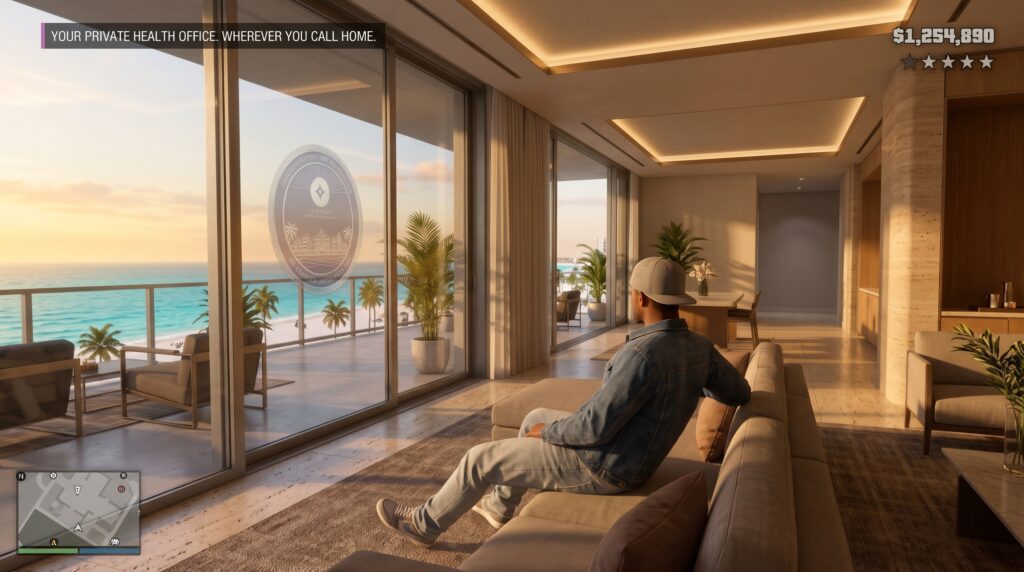
A Private Health Office operates within the residential environment while remaining portable across a family’s broader property footprint—making direct-to-residence access through participating independent providers part of everyday living, backed by non-clinical governance and operating protocols.
This creates a different proposition for luxury real estate: health security as an integrated component of the residential experience, rather than a standalone service or facility.
Whether the setting is a Miami Beach penthouse, a private estate in Palm Beach, or a branded residence in Dubai, the underlying requirement is consistent.
The infrastructure protecting the principal should be as thoughtfully considered as the infrastructure protecting the property and the wealth associated with it.
To explore how Private Health Office infrastructure integrates across family offices, private estates, or branded residential portfolios, initiate a private briefing.
Illustrative artwork created for CourMed; no third-party game assets, interfaces, or trademarks are depicted. Grand Theft Auto and Vice City are trademarks of Take-Two Interactive Software, Inc. CourMed is not affiliated with, sponsored by, or endorsed by Take-Two Interactive.