

By Derrick L. Miles, FACHE – CourMed® | The Private Health Office
Luxury has traditionally communicated status through rare timepieces, bespoke fashion, and trophy real estate. Today, a different marker of distinction is emerging among the ultra-high-net-worth (UHNW): physical capacity, longevity, and the ability to sustain peak performance over time.
A recent Moneywise feature, “Why Zuckerberg and the 1% Are Signaling Their Health as the Latest Status Symbol — and Why You Can’t Fake It With Ozempic,” explored this growing cultural shift. But for affluent families, the implications extend far beyond appearance or personal wellness. The consequential question is whether the infrastructure supporting a principal’s health matches the wealth, responsibilities, and legacy that depend on that individual.
The Hidden Risk Behind Generational Wealth
Family offices routinely manage investment risk, cybersecurity, physical security, and succession planning. Yet the capacity of the principal—the individual whose judgment and leadership underpin the entire family enterprise—deserves equal consideration. A significant disruption to that capacity creates unhedged operational risk across business continuity, investment decisions, and long-term estate strategy.
Wealth alone does not eliminate these vulnerabilities, nor does a collection of fragmented wellness services establish a coherent framework across multiple environments. This is where health security becomes a governance consideration.
Human capacity supports the effective stewardship of financial and physical assets. For family offices, this introduces a fundamental question: Is the infrastructure supporting the principal’s health being considered as deliberately as the infrastructure protecting the family’s wealth?

Luxury Residences to Health Security Infrastructure
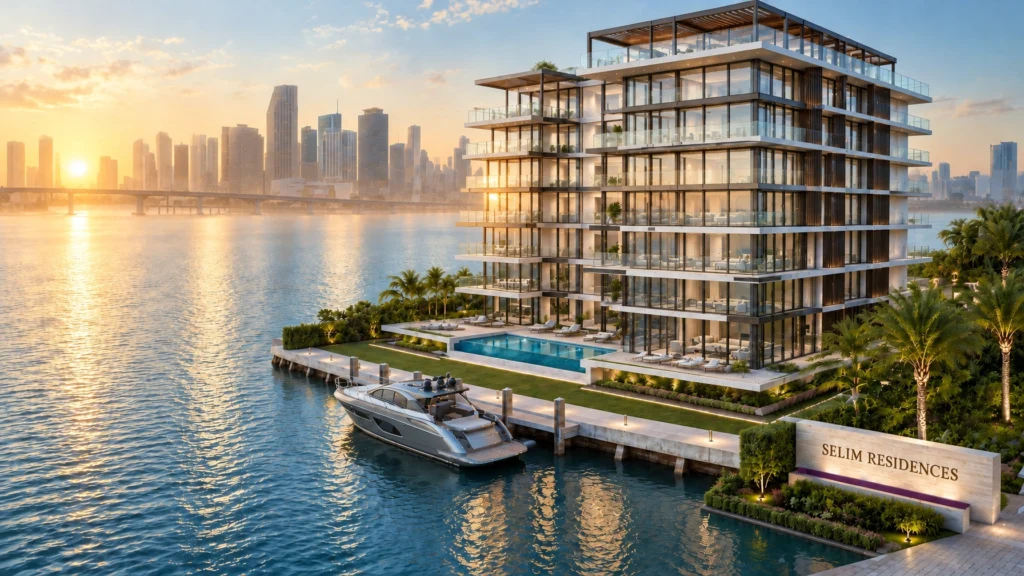
Ultra-luxury real estate has evolved beyond architectural distinction. Advanced security, smart technology, and branded amenities reflect expectations for privacy and elevated living. Health and wellness infrastructure represents the next dimension.
A UHNW principal frequently maintains residences across domestic and international markets. Proximity to local medical facilities remains important, but proximity alone does not establish clinical continuity. This shift toward biological capacity is directly altering capital allocation in luxury real estate. As Michael Kaminer reported in Mansion Global, health and medical access have emerged as primary decision drivers for UHNW home buyers selecting secondary or tertiary residences globally. Citing data from Sotheby’s International Realty, the report notes that nearly 38% of real estate professionals in the $10M+ segment identify long-term healthcare access and aging in place as major factors for buyers.
CourMed’s Direct-to-Estate Health Security Infrastructure addresses this gap by positioning health security within the private residential environment—a model already deployed across branded residences (since 2021), private banks (since 2023), and exclusive enclaves (since 2024).
An estate should be evaluated not only for its architecture and security, but for how its infrastructure supports the principal’s Healthy Zone. This approach does not transform a residence into a clinical facility or replace personal physicians. Instead, it recognizes health security as a distinct consideration in estate design and governance.

The Private Health Office: A Distinct Infrastructure Model
CourMed® | The Private Health Office operates at the intersection of private-client health, residential infrastructure, and health security governance.
As a non-clinical model designed to support a principal’s Healthy Zone across global footprints, its purpose is distinct from medical diagnosis and treatment. It provides the framework for extending health and wellness infrastructure directly into private settings, reflecting the Sovereign Health Security Mandate.
Four core principles inform this model:
-
Principal Capacity: Aligning sustained personal capacity with the responsibilities of family leadership and stewardship.
-
Residential Continuity: Extending health security infrastructure seamlessly across multi-property global footprints.
-
Discretion and Governance: Integrating systems within the strict confidentiality and operating standards of private-client life.
-
Institutional & Financial Alignment: Grounded in a leadership background that includes financial-services regulatory examinations (Series 7 and Series 66), CourMed engages family-office CIOs, estate attorneys, and private bankers through a shared understanding of risk, governance, and compliance considerations.
Together, these principles establish a framework that complements existing clinical relationships, estate operations, and family-office responsibilities without confusing their respective roles.

Health Security as a Generational Consideration
For family offices, human-capital risk directly intersects with continuity planning and generational wealth preservation. These considerations do not mean every health risk can be eliminated; they mean the infrastructure surrounding the principal warrants deliberate attention.
As luxury markets evolve, property differentiation will depend not only on what a residence displays, but on what its underlying systems are designed to support. CourMed’s Direct-to-Estate Health Security Infrastructure brings this operational perspective into private residential design and family-office governance.

The New Standard of Stewardship
Financial capital can be allocated. Real estate can be acquired. Physical security can be installed. Yet the individuals responsible for stewarding these assets remain central to their preservation and continuity.
Health may be emerging as an unfakeable status symbol. But for UHNW families, the enduring issue is the underlying governance that supports human capacity over time. The ultimate distinction is recognizing that the individual behind the wealth is an asset whose capacity warrants deliberate stewardship.
CourMed® | The Private Health Office advances this perspective by bringing health security infrastructure into the broader framework of private-client and estate governance.